Recently, the internationally renowned brand Suntory organized the "2024 Digital Day Workshop” in Shanghai. The event gathered industry retail experts such as Dr. Yang Dehong, leading retailers like AEON and China Resources, and top tech service providers including Ant Group, Gaode, Volcano, Hanshow, and Harb to share insights and experiences. This high-level exchange not only brought together representative stakeholders but also deeply explored and promoted the future development of the retail industry.
Retail Media Networks: A New Chapter in In-Store Marketing
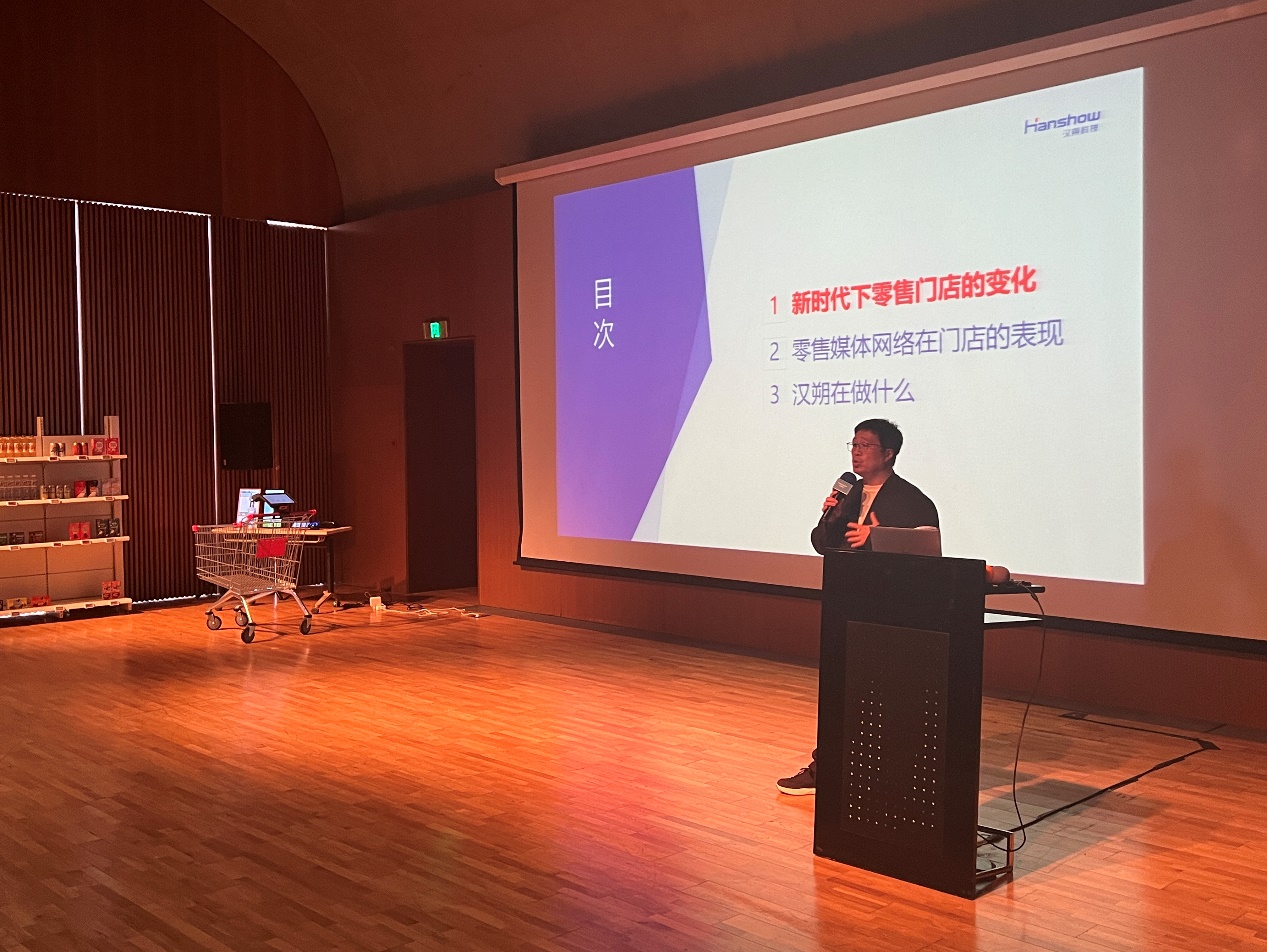
At the workshop, Hanshow delivered a keynote speech titled "Marketing Transformation in New Era Retail Stores," discussing the transformative impact of retail media networks (RMN) on future store marketing and their innovative practices in digital stores. Leveraging this high-end platform, Hanshow engaged in in-depth discussions with several leading companies, exploring industry trends and practical business empowerment paths, showcasing its significant industry position and professional expertise.
Former chief analyst of Insider Intelligence, Andrew Lipsman, stated, "Physical stores are the next major media channel." He predicted at the 2024 NRF Retail Conference that the influence of in-store advertising would surpass television, becoming a new channel for brands to connect with consumers. By 2024, retail media ad revenue is expected to be on par with TV advertising, with both generating around $60 billion annually. Retail media is projected to surpass TV by next year, reaching $100 billion in the US by 2027.
Technological Advancements and Data Collaboration
Data plays a crucial role across retail, branding, and intermediary connections. According to a Gartner research report, "Data is the cornerstone driving retail media networks. Offline cannot rely solely on transaction data; consumer behavior data is crucial. Future marketing will be personalized based on consumer profiles." To better collaborate and win together, retailers and brands need to enhance offline store digital transformation, enrich data dimensions, and effectively support data analysis and decision-making.
Retailers are increasingly investing in retail technology: smart in-store devices, intelligent shelf technology, smart store mapping technology, store data monetization, and GenAI. These investments aim to create immersive and engaging experiences for customers and staff while enhancing smart store operations. The technology investments generate significant data used to improve operational efficiency, enhance customer and employee experiences, increase operational visibility, reduce losses, and boost overall profitability.
To maximize the value of this data, retailers must closely collaborate with brands to explore innovative marketing methods and business models. As retail media networks gradually shift towards in-store media placements, such collaboration enables better resource sharing and complementarity, helping both parties stand out in the competitive market.
Enhancing Consumer Experience through Rich Data Connectivity
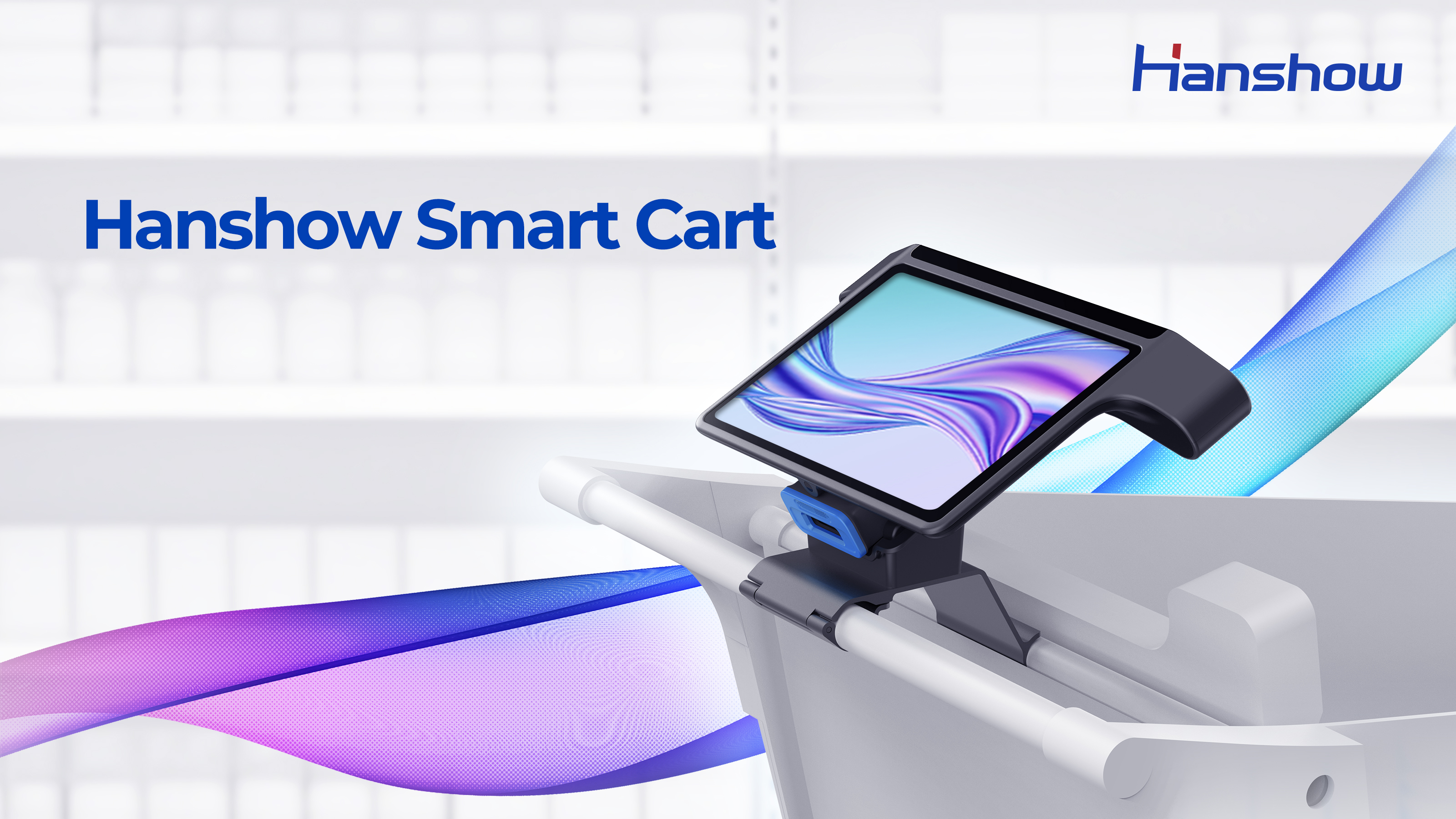
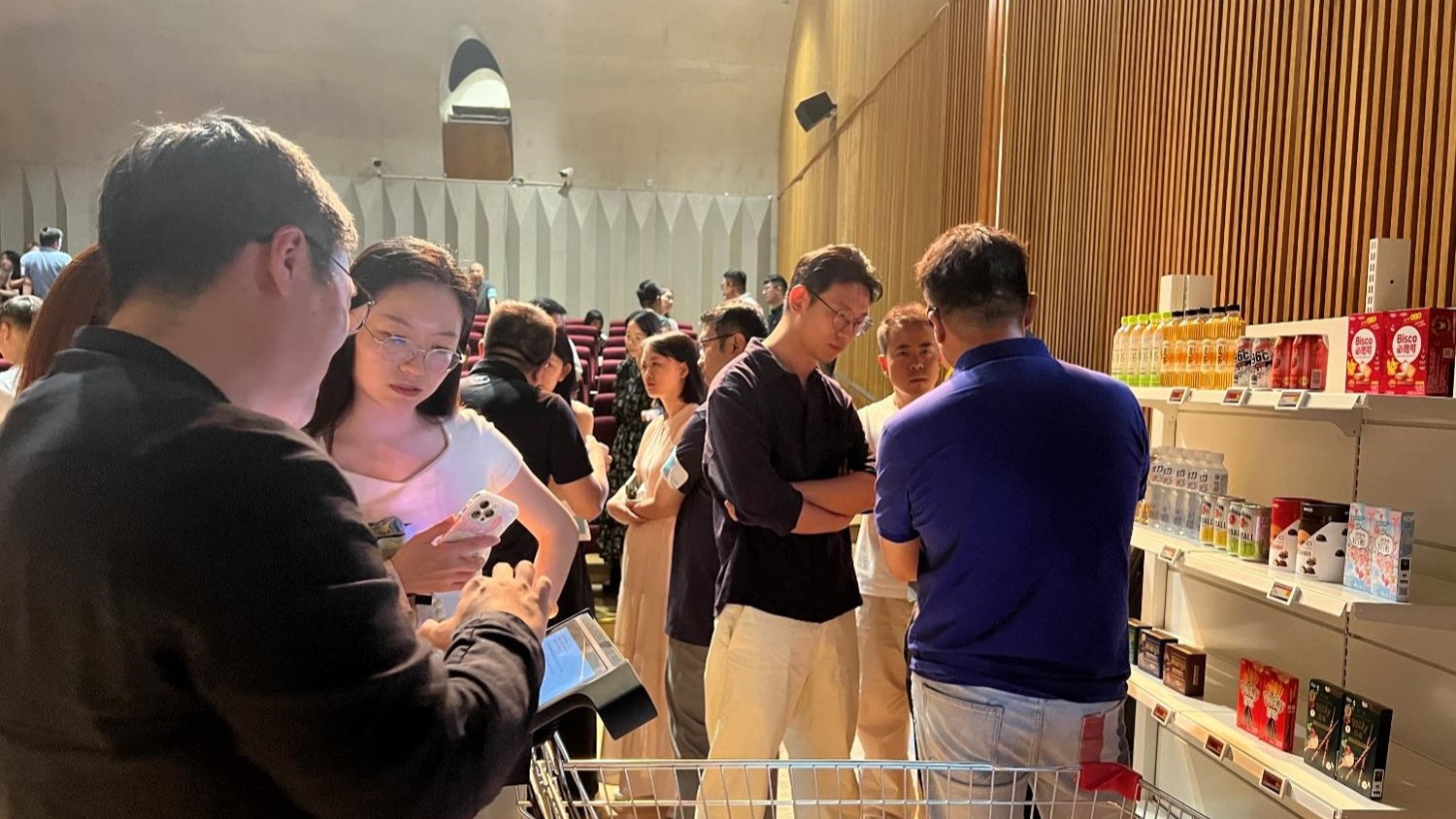
Hanshow, a high-tech enterprise focused on IoT wireless communication technology, aims to be a global leader in retail store digital solutions. Covering all offline store scenarios, Hanshow provides various smart devices such as electronic shelf labels (ESL), marketing screens, and smart shopping carts. Its self-developed HiLPC (High-density Low-power Communication) protocol serves as a crucial bridge for cooperation and trust between retailers and brands, fostering mutual growth.
Data shows that 67% of consumers make their purchasing decisions at the shelf. In the RMN field, Hanshow innovatively connects real consumers with needs through various smart terminals along the consumer shopping journey, reducing information asymmetry and optimizing products and services to offer an exceptional shopping and content experience.
- Entry: Utilize large digital screens for personalized displays, interactive games, and promotional ads. These features aim to attract consumers and initiate digital engagement even before they enter the store.
- In-Store: Implement AI-integrated smart shopping carts that allow natural language item searches, creating an enhanced interactive shopping experience. Additionally, deploy targeted brand advertisements, personalized coupons, and interactive recommendations to increase product exposure and expedite purchasing decisions. Provide detailed product maps to assist customers in navigating the store more efficiently.
- Aisle: Use Lumina display screens to showcase brand advertisements and related product recommendations, capturing consumer interest and driving traffic to specific aisles, thus stimulating purchase intent.
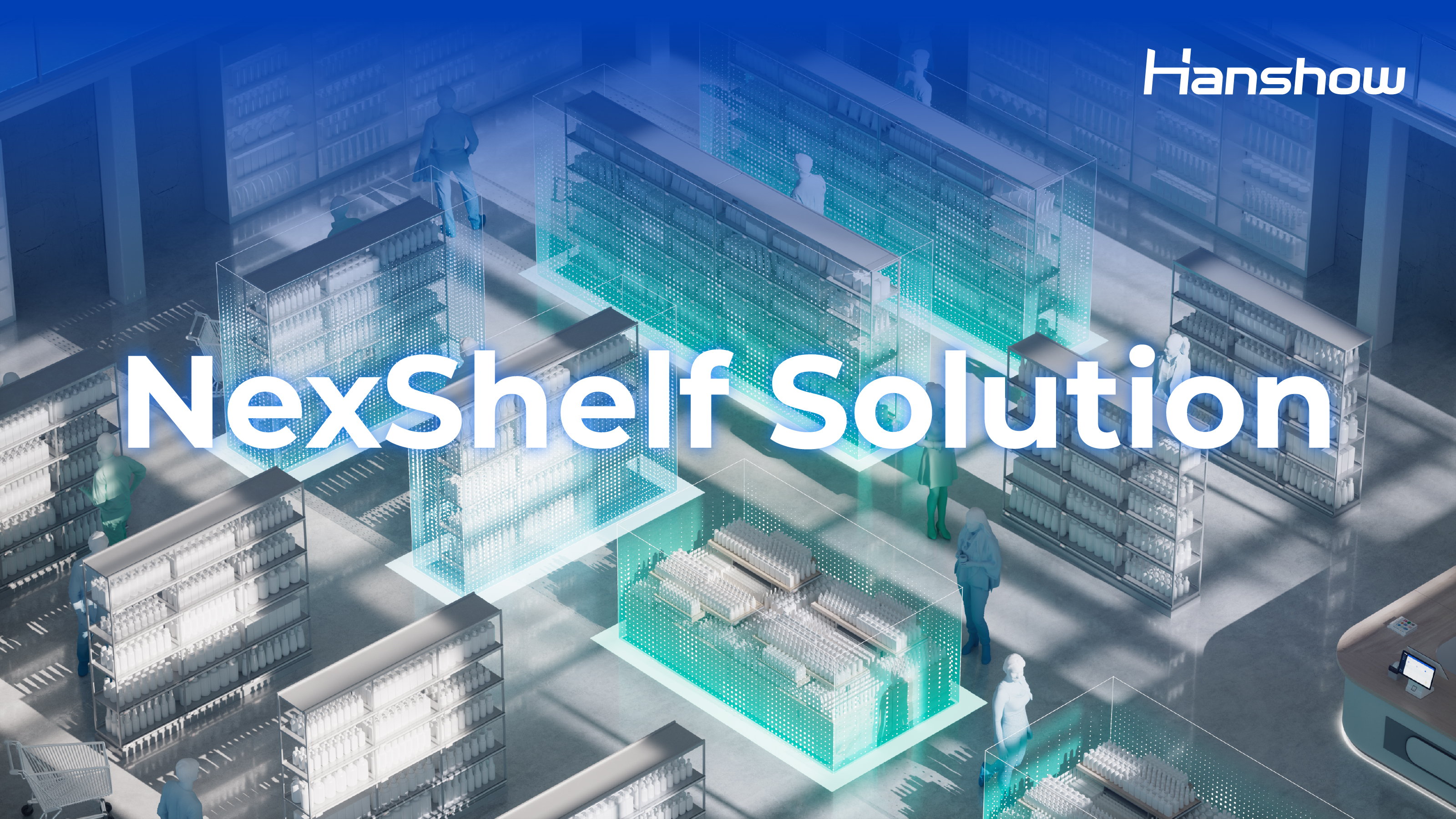
- Shelf: Equip shelves with electronic shelf labels (ESL) and QR codes to facilitate seamless online and offline integration. This setup enables dual-screen interactions, allowing customers to access additional product information while accumulating valuable shopping data for operational analysis.
- Checkout: Maximize final sales opportunities with smart displays such as digital signage and intelligent shopping carts. These tools can prompt last-minute purchases, offer bundle deals, and ensure a smooth shopping experience, thereby enhancing customer loyalty and lifetime value.
Hanshow consistently prioritizes technological innovation as the core driver of its development. In the RMN field, Hanshow integrates big data, AI, IoT, and other cutting-edge technologies to provide smarter, more efficient marketing solutions for brands and retailers. Looking ahead, Hanshow will continue adhering to its value of "customer-centric continuous innovation," partnering globally to advance the retail industry's prosperity through increased investment in cutting-edge technology research and development.